
 Français
 Polski
 Nederlands
 Dansk
Dansk
 Deutsch
 Svenska

Mouse and rat traps: how they work and which one to choose
- 01 Aug, 2026
- Blog

Traps for mice and rats: how they work and which one to choose
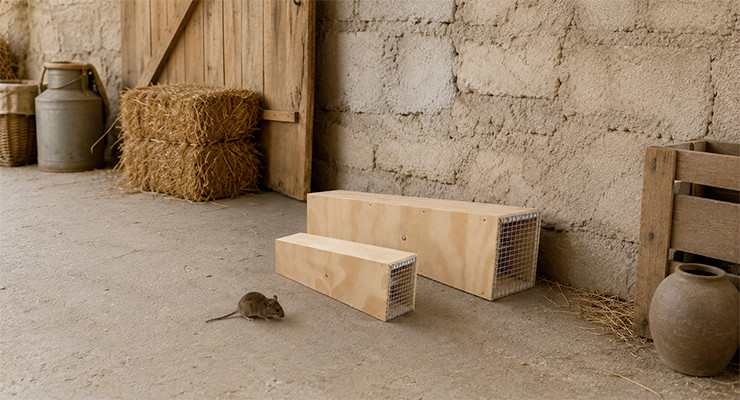
Wooden traps allow mice and rats to be captured alive, without using poison, glue, chemicals or impact mechanisms that strike the animal.
In this guide, we explain how the capture system works, where to place the trap and which of the two sizes is most suitable for the rodent you intend to capture.
View trapsA way to capture rodents without causing injury
These traps have been designed to block the exit after the rodent enters, without striking, crushing or injuring it. The animal remains alive inside until it is released in a suitable location.
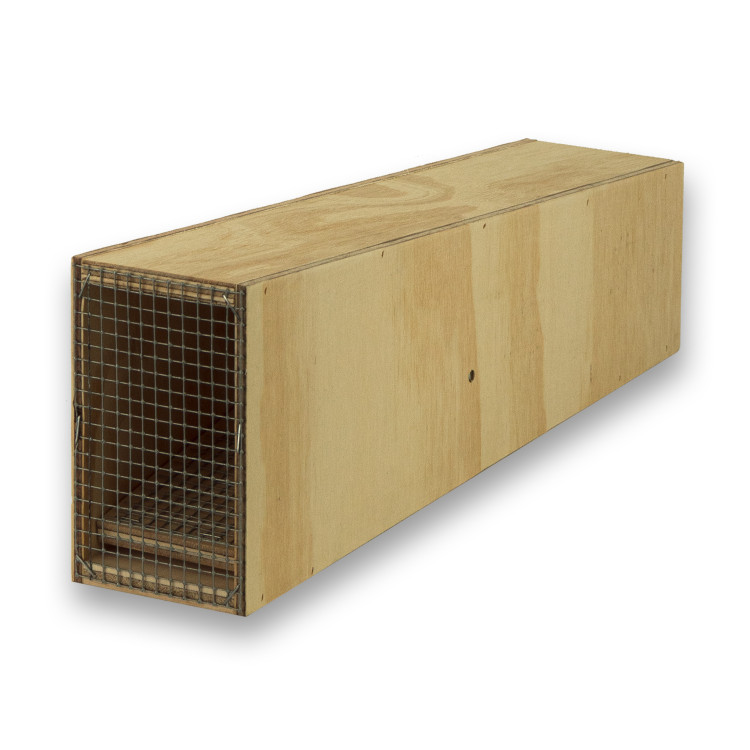
Both models work in the same way and are made from pine plywood, with an internal tilting board and a galvanised steel mechanism. The main difference lies in their dimensions and the size of the rodent for which each trap is intended.
Without causing injury
The mechanism blocks the exit without striking, crushing or injuring the animal.
No poison or glue
The animal is captured mechanically, without poison or other chemicals.
Sold fully assembled
Simply prepare the board and place the trap in the chosen location.
Simple preparation
After releasing the animal, you can prepare the mechanism again.
Mouse or rat: which trap should you choose?
The choice mainly depends on the size of the animal. Mice are generally smaller, while rats have larger bodies and require a trap with more space inside.
When it is not possible to observe the rodent directly, the size of the droppings, gnaw marks and entry points may help determine whether it is a smaller or larger animal.
Trap for mice
Suitable for smaller mice and for spaces where a more compact trap is sufficient.
Structure: pine plywood
Interior: tilting board made from pine plywood
Mechanism: galvanised steel
Trap for rats
Suitable for rats and other larger rodents that require more space inside.
Structure: pine plywood
Interior: tilting board made from pine plywood
Mechanism: galvanised steel
How does the trap work?
The system uses the rodent’s own movement to activate the mechanism. The animal is captured without impact springs, poison or adhesive surfaces.
Prepare the board
Position the end of the board next to the entrance at its lowest point, leaving it sloping upwards towards the inside of the trap. The metal mechanism should be in the lowered position.
The rodent enters
The mouse or rat enters through the opening and moves along the internal board.
The mechanism is activated
As the rodent moves along the board, the board lowers and activates the mechanism.
The exit is blocked
The movement raises the galvanised steel mechanism, which blocks the exit and keeps the animal inside without injuring it.
Where should the trap be placed?
- Along walls and in areas where there are signs of rodents passing through.
- In corners, sheltered areas or routes regularly used by rodents.
- In homes, garages, warehouses, outbuildings, chicken coops and similar spaces.
- Always in a dry place sheltered from rain and moisture.
Placing the trap along a wall is especially recommended because rodents tend to move close to vertical surfaces and protected areas.
How can you check whether an animal has been captured?
The metal grille at the rear of the trap allows light to enter, provides ventilation inside and offers the visibility needed to confirm whether an animal has been captured.
There is no set time for a capture. It depends on the rodent passing through the area and being attracted inside the trap. It should therefore be checked regularly, preferably several times throughout the day.
How should the animal be released safely?
Carry the trap to a suitable location away from the area where the rodent was captured.
Place it in a slightly more upright position and shake it carefully. This movement releases the metal mechanism, helps the board return to its starting position and makes it easier for the animal to leave.
Important: keep the trap out of reach of children and pets. Wearing gloves is recommended, and you should avoid placing your hands near the opening.
How can the trap be reused?
Each trap can capture one animal at a time. After releasing the mouse or rat, check whether there is any debris or dirt inside.
If there is, you can shake the trap before using it again. To preserve the wood, keep it dry and protected from moisture.
Finally, return the board to its sloping position and the metal mechanism to its lowered position, leaving the trap ready for capture again.
Related products
Pine plywood traps available in two sizes, with a capture mechanism that does not cause injury.

Are you looking for a way to capture mice or rats without injuring them?
Discover our wooden traps and choose the size that is most suitable for the rodent you intend to capture.
View traps